
Computer vision and vehicle interaction controls
Where AI cameras fit in the NSW nine-layer model, and how to pilot them.
Read the article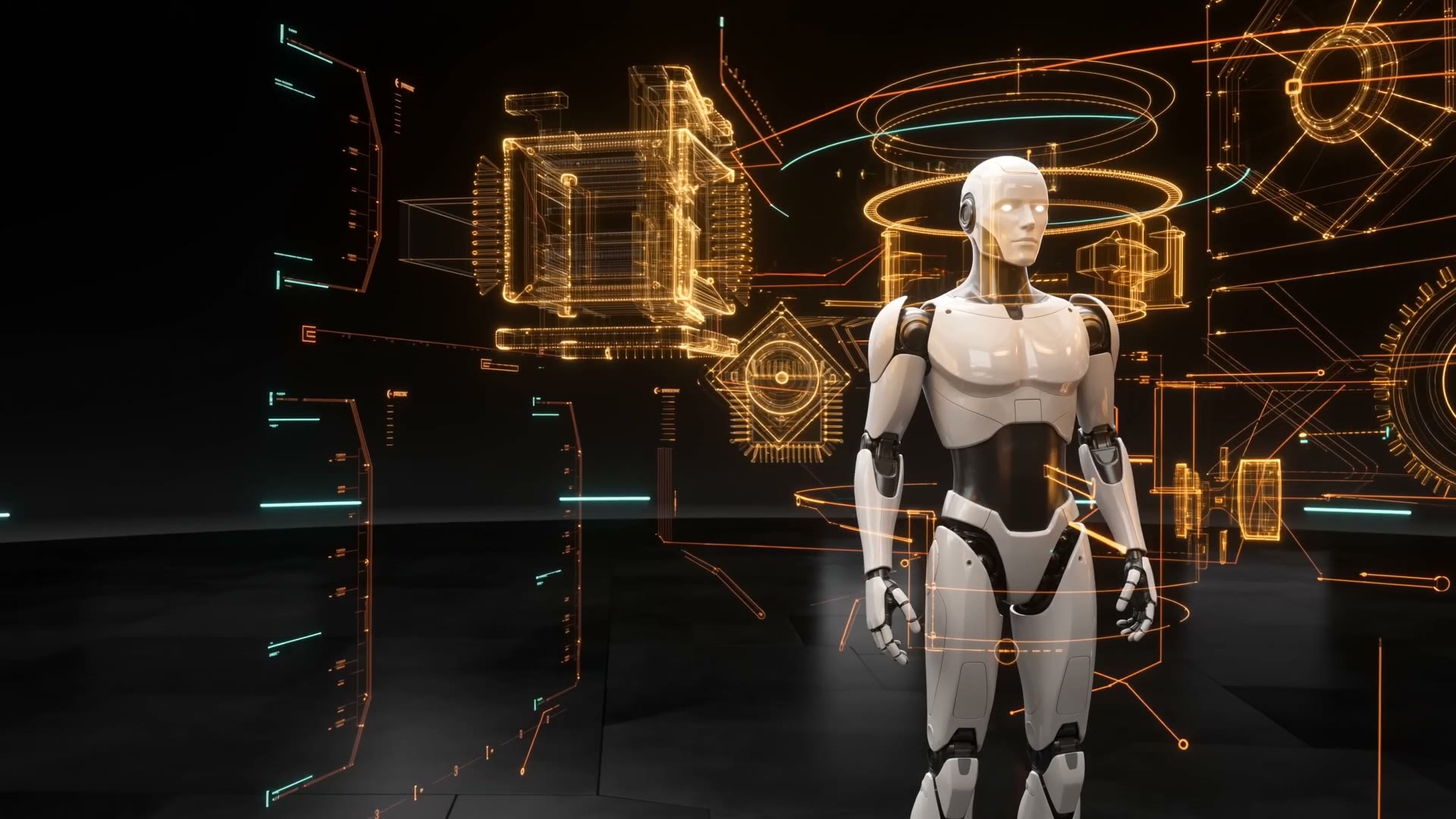
Mining / Industrial safety
Computer-vision safety, machine learning and robotics readiness for mine operators, contractors and quarries, designed around your principal hazard plans.
MINE / AU
Direct answer
Divine Lab Worx advises Australian mines on computer-vision safety, machine learning and robotics readiness. We map each system to the principal hazard plan and the regulator's control layers, design a measured pilot, and our managed delivery crew installs it. Part of Sharktech Global.
Mining recorded 10 worker deaths in 2024, a rate of 3.4 per 100,000 workers against 1.3 across all industries (Safe Work Australia). In NSW mining in 2024-25, half of the 106 serious injuries came from being hit by moving objects (NSW Resources Regulator). AI can help, but only when it sits in the right place in the control hierarchy.
The NSW vehicle interaction guide treats alerts and machine intervention as Layers 8 and 9, considered after design and operating controls in Layers 1 to 7.
Every pilot has detection accuracy, false alarm rate and response time agreed before installation, measured on your own footage.
The NSW Digital Work Systems Act, law since 18 February 2026 with duties starting on dates still to be announced, and workplace surveillance law shape how cameras are designed and introduced.
Systems are designed and explained as hazard controls, which is what earns trust on the ground.
Divine Lab Worx can run one workstream or the full pathway, from readiness to installed and maintained systems.
Exclusion zone, pedestrian and vehicle interaction detection, PPE and line-of-fire alerts, using Flagman, the Sharktech Global computer-vision safety platform, or the system you already own.
Predictive maintenance, anomaly detection and near-miss analytics built on data the site already produces.
Quadruped and humanoid robots are at trial stage in Australian mining. We assess which tasks and hazards justify a trial and what evidence it must produce.
Digital work systems, surveillance notice, privacy and AI governance built into the design rather than added later.
Capital and site disruption are released only when the evidence supports the next step.
Name the hazard, the control layer the system will serve and its place in the principal hazard management plan.
Coverage, alert path, failure modes, data handling and worker consultation, documented before purchase.
Our managed delivery crew of inducted electrical, mechanical and facilities specialists installs and maintains the system, in any state.
Detection accuracy, false alarms, response time, exclusion zone breaches and near misses captured.
A documented decision based on operating evidence, not a vendor demonstration.
Divine Lab Worx is the consultancy arm of Sharktech Global, its parent company. Chief Executive Officer Dainu Devis, a former critical infrastructure manager, sets the group's direction: put AI to work across Australian industry, delivered end to end by one accountable team.
Hazard mapping, pilot design, governance, compliance and the scale decision.
Flagman computer-vision safety, integration and ongoing technical services.
Go deeper
Where AI cameras fit in the NSW nine-layer model, and how to pilot them.
Read the articleHow Divine Lab Worx and Sharktech Global take AI from strategy to installed systems.
AI consultant AustraliaFrequently asked
Clear answers for mine operators, contractors and safety leaders.
In the NSW nine-layer model, cameras support operator awareness at Layer 7, AI alerts act as operator advisory at Layer 8, and systems that slow or stop machines act at Layer 9. The guide expects Layers 1 to 7 to be in place first.
Agree detection accuracy, false alarm rate and response time before installation, then test in dust, rain, glare, night and vibration. Track exclusion zone breaches and near misses by area and shift to show whether the control is working.
The NSW Digital Work Systems Act, law since 18 February 2026, adds duties on AI and surveillance risks from dates still to be announced. NSW workplace surveillance law requires 14 days' written notice, visible cameras and signs, and no cameras in toilets, change rooms or showers.
Not yet for production use. Quadruped robots have been trialled at Australian sites, but humanoids remain early stage. A readiness assessment of tasks, hazards and evidence is the sensible first step before committing to any trial.
Yes. Divine Lab Worx's own managed delivery crew of inducted electrical, mechanical and facilities specialists, mobilised to any state, installs and maintains the systems on site after the pilot design is agreed.
Divine Lab Worx is the consultancy arm of Sharktech Global, its parent company, led by Chief Executive Officer Dainu Devis, a former critical infrastructure manager. Sharktech Global also builds Flagman, its computer-vision safety platform for industrial sites.
Start with one hazard
Tell us the hazard and the site. We will scope the right first step. Or call 0468 017 373.
Book a discovery call